
How to Choose Sustainable Coastal Living in Watamu
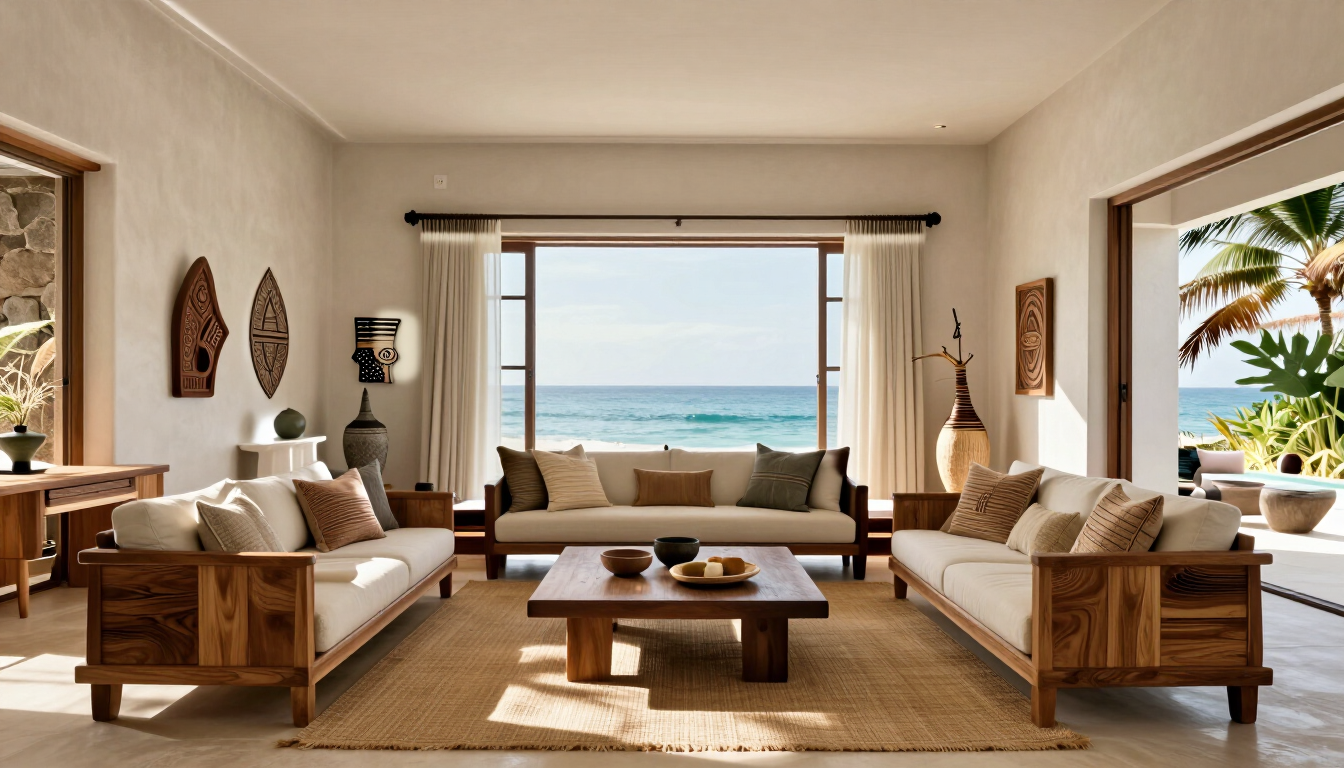
Sustainable coastal living in Watamu means designing a home that responds thoughtfully to its climate, landscape, and community. It combines passive cooling, natural materials, shade, efficient services, and indoor-outdoor spaces to reduce environmental impact while improving comfort. The Breeze Point Watamu Residence illustrates how Swahili-inspired architecture can support a refined coastal lifestyle.
What does sustainable coastal living mean in Watamu?
Sustainable coastal living is not simply about adding solar panels or choosing a home near the ocean. It is a broader approach to residential design that considers how a property uses energy, manages water, responds to heat, and relates to its surroundings.
In Watamu, this approach is especially relevant. The coastal climate brings warm temperatures, bright sunlight, ocean breezes, seasonal rainfall, and a landscape shaped by palms, coral, sand, and indigenous vegetation. A well-designed home should work with these conditions rather than trying to shut them out.
For residents, that can mean:
- Naturally cooler interiors with less dependence on air conditioning
- Shaded balconies and terraces that remain comfortable during the day
- Materials selected for durability, character, and suitability to the coastal climate
- Landscaping that complements the local environment
- Flexible indoor-outdoor areas that encourage connection with nature
For buyers, sustainable design can also support long-term value. Homes that are comfortable, efficient, attractive, and easy to maintain are better positioned for permanent living, holiday use, and rental demand.
Why is Watamu well suited to an eco-conscious lifestyle?
Watamu offers a distinctive combination of natural beauty, relaxed coastal living, and growing interest from homeowners and investors. Its beaches, marine environment, restaurants, and outdoor attractions create a lifestyle in which the surrounding landscape is an important part of daily life.
The location encourages residents to spend more time outdoors. Morning walks, time by the water, open-air meals, and shaded afternoons become natural extensions of the home. This makes design choices such as breezy layouts, generous openings, covered verandas, and private gardens more than decorative features. They support how people actually live in the region.
Sustainable coastal living in Watamu can therefore be understood as a relationship between the home and its setting. The best properties provide comfort without losing the sense of place that makes the coast desirable.
For a broader introduction to the development, explore The Breeze Point Watamu Residence .
The principles behind climate-responsive coastal design
A climate-responsive home begins with orientation, proportion, airflow, shade, and material selection. These principles can reduce heat gain and create more comfortable spaces without relying entirely on mechanical cooling.
Passive cooling and natural ventilation
Cross-ventilation allows air to move through a home instead of becoming trapped inside. Windows, doors, openings, and carefully planned room layouts can help capture prevailing breezes and release warm air.
High ceilings and open-plan living areas can further improve air movement. When combined with shaded windows and terraces, they help create interiors that feel light and breathable throughout the day.
Shaded outdoor spaces
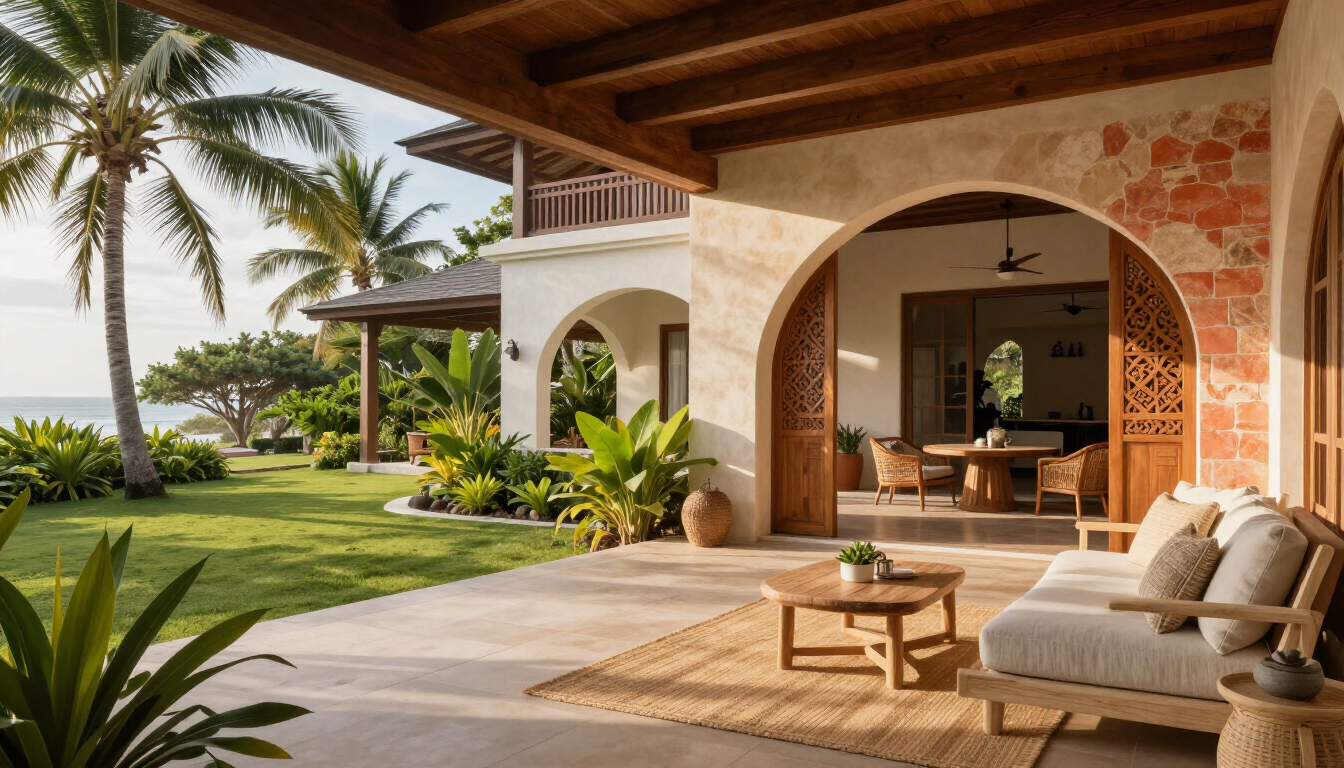
Shade is essential in a warm coastal climate. Covered balconies, pergolas, verandas, deep overhangs, and planted areas can protect walls and windows from direct sunlight while providing usable space for relaxing, dining, or entertaining.
These spaces also soften the transition between inside and outside. A shaded terrace can function as an outdoor living room, allowing residents to enjoy the climate without being exposed to intense midday heat.
Natural and durable materials
Natural materials can give a residence texture, warmth, and a stronger connection to local architectural traditions. Stone, timber, woven elements, textured plaster, and carefully finished concrete may all contribute to a calm, tactile interior and exterior palette.
Material choice must also consider maintenance. Coastal air can be demanding, so finishes should be durable, appropriate for the environment, and selected with long-term performance in mind. Sustainability is not only about how a material looks; it is also about how long it lasts and how responsibly it can be maintained.
How does Swahili and Lamu architecture influence modern homes?
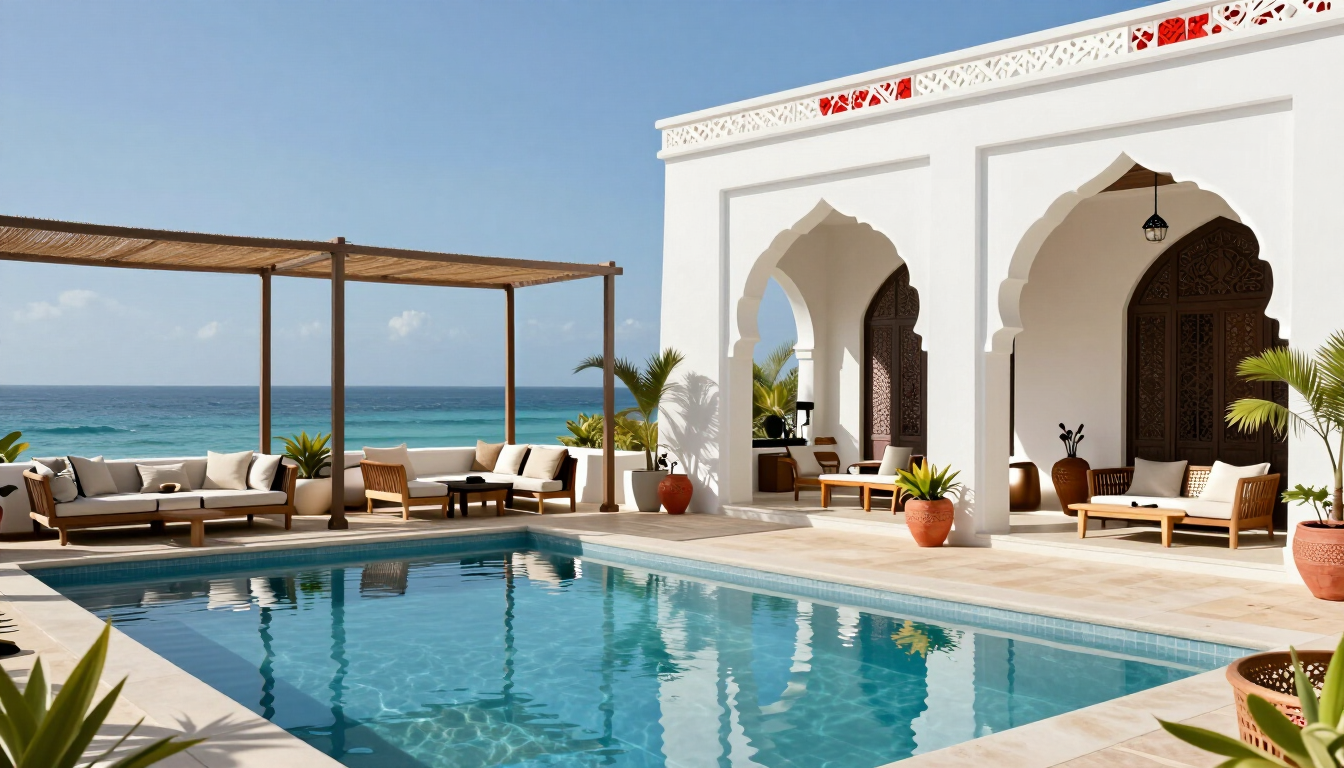
Swahili and Lamu architecture offer valuable lessons for contemporary coastal residences. Historically, these traditions respond to heat, sunlight, privacy, community, and available materials through courtyards, shaded passages, screened openings, thick walls, and carefully proportioned spaces.
Modern design can draw from these ideas without copying historic buildings. The result may be a simpler, more minimal home that retains the qualities that made the traditional architecture effective.
At The Breeze Point Watamu Residence, this influence is expressed through a modern interpretation of coastal form. The design combines clean lines and contemporary finishes with elements that feel connected to East African coastal identity. The intention is not to create a themed property, but to create a residence that feels appropriate to its location.
Privacy and openness in balance
Coastal homes benefit from openness, but residents also need privacy. Screens, walls, planting, recessed windows, and layered outdoor areas can provide separation without blocking light or airflow.
This balance is particularly important for two-bedroom apartments. A well-planned layout can feel private and peaceful while still making the most of views, breezes, and natural light.
Indoor-outdoor living
Indoor-outdoor living is one of the clearest expressions of coastal architecture. Living rooms, dining areas, bedrooms, terraces, and pools can be arranged as connected zones rather than isolated spaces.
The result is a home that feels larger and more adaptable. Residents might open the living area to a terrace for an informal lunch, use a shaded outdoor space for reading, or move between a private pool and an interior lounge as the day changes.
Which features should buyers look for in a sustainable coastal home?
A sustainability-minded buyer should evaluate how the property performs, not only how it photographs. The following features can provide useful signals:
- Orientation that supports daylight and natural airflow
- Covered outdoor spaces designed for regular use
- Durable finishes suitable for a humid, salty environment
- Efficient lighting, appliances, and water systems
- Landscaping that provides shade and complements the local setting
It is also worth asking practical questions. How are common areas maintained? Is backup power available? How is water managed? What security, parking, and resident services are provided? A sustainable lifestyle should be convenient as well as visually appealing.
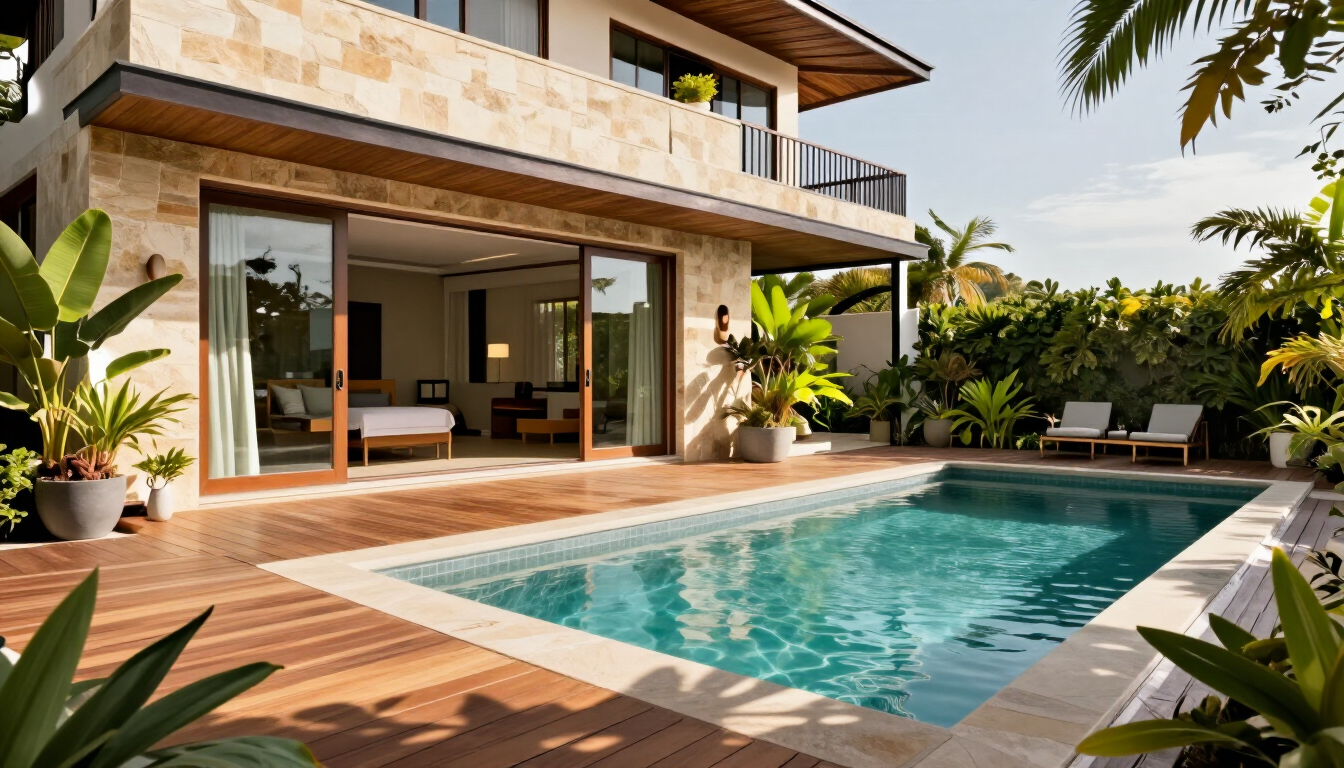
The Breeze Point Watamu Residence combines private two-bedroom apartments with amenities designed for everyday comfort, including a communal swimming pool, gym, secure parking, and backup power. These facilities can make coastal living more practical for owners who use the property seasonally, rent it to guests, or live there throughout the year.
How can natural materials improve comfort and character?
Natural materials contribute to more than visual style. Their colour, texture, and thermal qualities can influence how a room feels. Stone and textured surfaces may provide a grounded sense of permanence, while timber and woven details can bring warmth to minimalist interiors.
A restrained natural palette also helps a property sit comfortably within its landscape. Instead of competing with the ocean, vegetation, and sky, the home becomes part of a wider visual experience.
For luxury buyers, this matters because genuine quality is often felt in the details: the weight of a door, the texture of a wall, the proportion of a shaded opening, or the way daylight moves across a room. Thoughtful material selection creates a sense of calm that is difficult to achieve through decoration alone.
Designing for year-round use
A coastal residence should work in different seasons and for different patterns of occupation. Holiday-home buyers may want easy maintenance and reliable amenities. Permanent residents may prioritise storage, privacy, airflow, and daily convenience. Investors may focus on guest appeal, durability, and rental potential.
Flexible design can support all three needs. An open living area can host a quiet morning or a group gathering. A private pool can appeal to holiday guests while offering a peaceful retreat for owners. Quality finishes can reduce the visual and practical wear associated with frequent occupancy.
This versatility is one reason modern coastal apartments can attract a wide audience. They can function as personal retreats, income-generating holiday properties, or long-term homes while retaining a clear architectural identity.
What makes The Breeze Point a relevant example?
The Breeze Point Watamu Residence brings together several qualities associated with sustainable coastal living: a strong sense of place, climate-aware architecture, natural inspiration, and spaces designed for relaxed indoor-outdoor life.
Located on Jacaranda Road, the residence offers two-bedroom apartments with private pools, spacious living areas, premium finishes, and access to shared amenities. Its design language is inspired by Swahili and Lamu architecture while remaining modern and minimalist.
That combination is important. Buyers are not choosing between heritage and contemporary comfort. They can look for a home that acknowledges local architectural knowledge while offering the security, convenience, and finish expected from a modern residential development.
The residence may appeal particularly to people who want:
- A refined coastal base close to Watamu’s beaches and attractions
- A home that feels connected to Kenya’s architectural heritage
- Private and communal spaces for relaxation and entertaining
- A potential holiday-rental asset with lifestyle appeal
- A practical property for personal use, investment, or both
Learn more about the development through the home page or speak with the team via the contact page .
How should you evaluate a sustainable property in Watamu?
A property visit should go beyond finishes and photography. Try to understand how the home behaves at different times of day and how it will be maintained over time.
Use this evaluation checklist:
- Observe airflow: Openings on opposite sides of rooms can support cross-ventilation.
- Check shade: Look at whether terraces, windows, and walls are protected from strong sun.
- Review materials: Ask whether finishes are selected for coastal durability and easy care.
- Understand services: Confirm information about power backup, water, security, parking, and shared amenities.
- Consider your use: Decide whether the property suits permanent living, holidays, rental income, or a combination.
Buyers should also consider the surrounding area. Access to beaches, restaurants, nature, and essential services affects both lifestyle enjoyment and the long-term appeal of a residence.
Frequently asked questions
Is sustainable coastal living expensive?
Not necessarily. Sustainable design can involve premium materials and careful planning, but passive cooling, natural ventilation, shade, and efficient systems may reduce operating costs over time. The most important factor is the quality and integration of the design.
Is Watamu a good location for a coastal home?
Watamu can suit buyers seeking a relaxed coastal lifestyle, a holiday home, or a property investment in Kenya. Its beaches, attractions, restaurants, and natural environment support both personal enjoyment and potential visitor demand.
Can modern architecture reflect local heritage?
Yes. Modern architecture can reinterpret local principles such as shade, privacy, courtyards, natural materials, and indoor-outdoor connections. The result can feel contemporary while remaining appropriate to its cultural and climatic setting.
What should eco-conscious property buyers ask developers?
Ask about ventilation, orientation, shade, material durability, water use, energy efficiency, landscaping, waste management, maintenance, and backup services. These questions reveal how sustainability works in practice.
The takeaway for coastal homebuyers
Sustainable coastal living in Watamu is about more than a beautiful address. It means choosing a home that responds to heat, light, breeze, materials, privacy, and the natural environment. Look for shaded outdoor spaces, airy interiors, durable finishes, efficient services, and architecture that belongs to its setting. The Breeze Point Watamu Residence demonstrates how Swahili and Lamu-inspired ideas can be reinterpreted through modern minimalist design. If you are comparing coastal homes for permanent living, holidays, or investment, evaluate both the lifestyle and the long-term performance of the property, then arrange a conversation or viewing to decide whether it fits your goals.