
Buying Coastal Property in Kenya: 10 Essential Checks
Buying coastal property in Kenya requires thorough due diligence, including title deed verification, location assessment, and construction quality checks. Investors must navigate land ownership laws, evaluate rental yield potential, and ensure infrastructure reliability to secure a profitable and legally sound investment in Kenya's thriving coastal real estate market.
Investing in a coastal home is a dream for many, whether as a retirement nest, a holiday getaway, or a strategic wealth-building asset. The Kenyan coast, stretching from the serene shores of Lamu to the bustling beaches of Diani, offers some of the most lucrative opportunities in East Africa. However, the process of acquiring coastal property in Kenya is not without its complexities. To ensure your investment is protected and your lifestyle goals are met, you must look beyond the beautiful ocean views and scrutinize the legal, physical, and economic realities of the property.
What should you know before buying coastal property in Kenya?
The first step in any real estate journey in Kenya is understanding the types of land ownership. Unlike many other jurisdictions, Kenya has specific laws governing land tenure that can significantly impact your rights as a property owner.
- Freehold vs. Leasehold: Most coastal properties, especially those within urban or developed areas, are held under leasehold titles. This means you own the property for a specific period, typically 99 years, after which the lease must be renewed. Freehold land is generally reserved for agricultural areas and is rarely found in prime coastal developments.
- Foreign Ownership Restrictions: Non-citizens can own property in Kenya, but they are restricted to leasehold titles for a maximum period of 99 years. Furthermore, foreigners cannot own agricultural land unless a special exemption is granted by the Land Control Board.
- Community and Ancestral Land: In some coastal regions, land may be classified as community land. It is vital to ensure that the property you are eyeing has been formally adjudicated and registered to avoid disputes with local communities.
Before signing any agreement, it is essential to consult with a reputable legal professional who specializes in Kenya real estate investment . They will help you navigate the complexities of the Land Act and the Land Registration Act, ensuring that your transition into coastal living is smooth and secure.
How do you verify property titles in Kenya?
Title deed verification is the most critical check in the buying process. A "clean" title is the bedrock of a safe investment. In Kenya, the process of verification involves several layers of scrutiny to ensure that the seller has the legal right to transfer the property and that no encumbrances exist.
- Conduct an Official Search: Obtain the property’s title number and request an official search at the relevant Land Registry (e.g., Mombasa, Kilifi, or Kwale). This search will reveal the registered owner, the acreage, and any existing charges, caveats, or restrictions.
- Verify the Mutation Survey: For land that has been subdivided, a mutation survey shows how the land was split. This ensures the plot you are buying actually exists on the official map and matches the dimensions on the ground.
- Check for Outstanding Land Rates and Rents: Every property owner in Kenya is required to pay annual land rates to the County Government and land rent to the National Government. Ensure the seller provides a Clearance Certificate showing all payments are up to date.
- Confirm the Seller’s Identity: Sadly, identity theft is a reality in real estate. Verify that the person selling the property is indeed the person named on the title deed by checking their national ID or passport against registry records.
By performing these checks, you mitigate the risk of purchasing "litigated" land—a common pitfall for unsuspecting buyers. At The Breeze Point Watamu Residence , we prioritize transparency, ensuring all our titles are fully verified and ready for seamless transfer to our homeowners.
Why is Watamu a top choice for Kenya real estate investment?
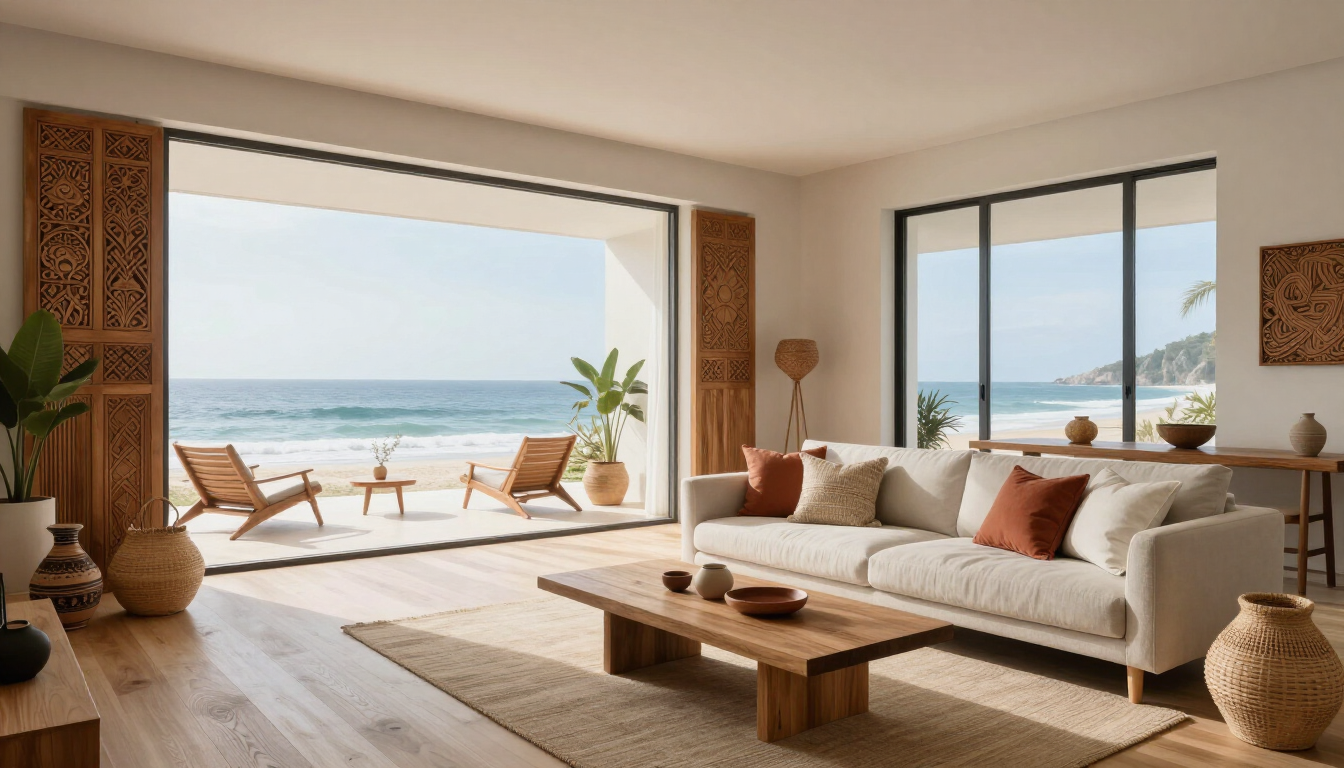
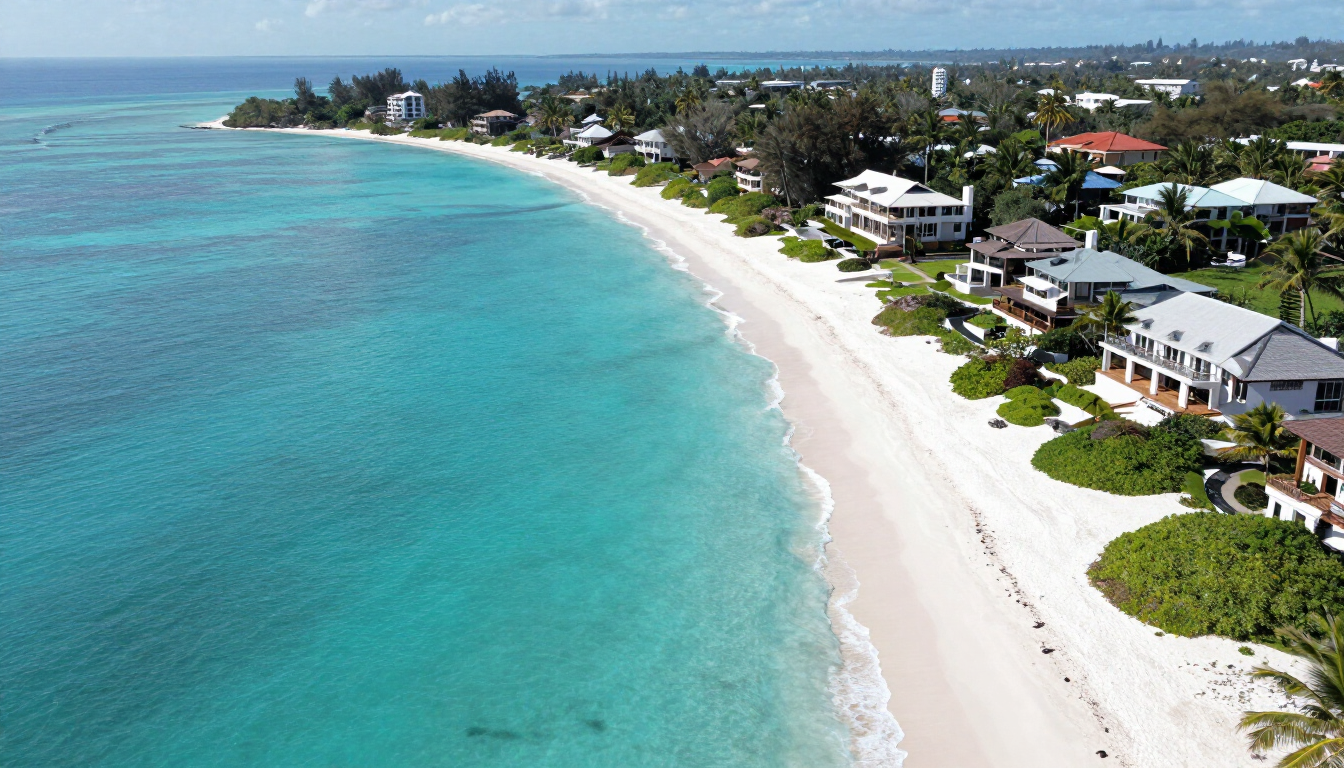
While the entire coastline is beautiful, certain areas stand out for their growth potential and lifestyle appeal. Watamu has emerged as a premier destination for those looking for a mix of tranquility, adventure, and high investment returns. Known for its turquoise waters and protected marine parks, it attracts a high-end demographic of tourists and expatriates.
Choosing the right location involves more than just picking a town; it’s about the specific neighborhood. Proximity to the beach is the primary driver of value for coastal holiday homes . However, you also need to consider access to essential services. Is there a supermarket nearby? How far is the nearest international-standard hospital? For those looking at Watamu, the blend of Swahili culture and modern amenities makes it an unbeatable choice for long-term value.
When evaluating a location, consider these factors:
- Accessibility: Is the property reachable via tarmac roads? How far is the nearest airport, such as Malindi International Airport?
- Tourism Demand: Is the area a year-round destination or strictly seasonal? High demand ensures better rental yields.
- Security: Does the neighborhood have a good reputation? Are there community security initiatives in place?
Construction Quality: What to look for in a coastal environment?
The coastal climate is beautiful but harsh on buildings. Saltwater spray, high humidity, and intense solar radiation can cause rapid deterioration if a property is not built to specific standards. When buying coastal property in Kenya , you must inspect the construction quality with a critical eye.
- Corrosion Resistance: Ensure that all metal fittings, from door handles to window frames, are made of high-grade stainless steel or treated aluminum to prevent rust.
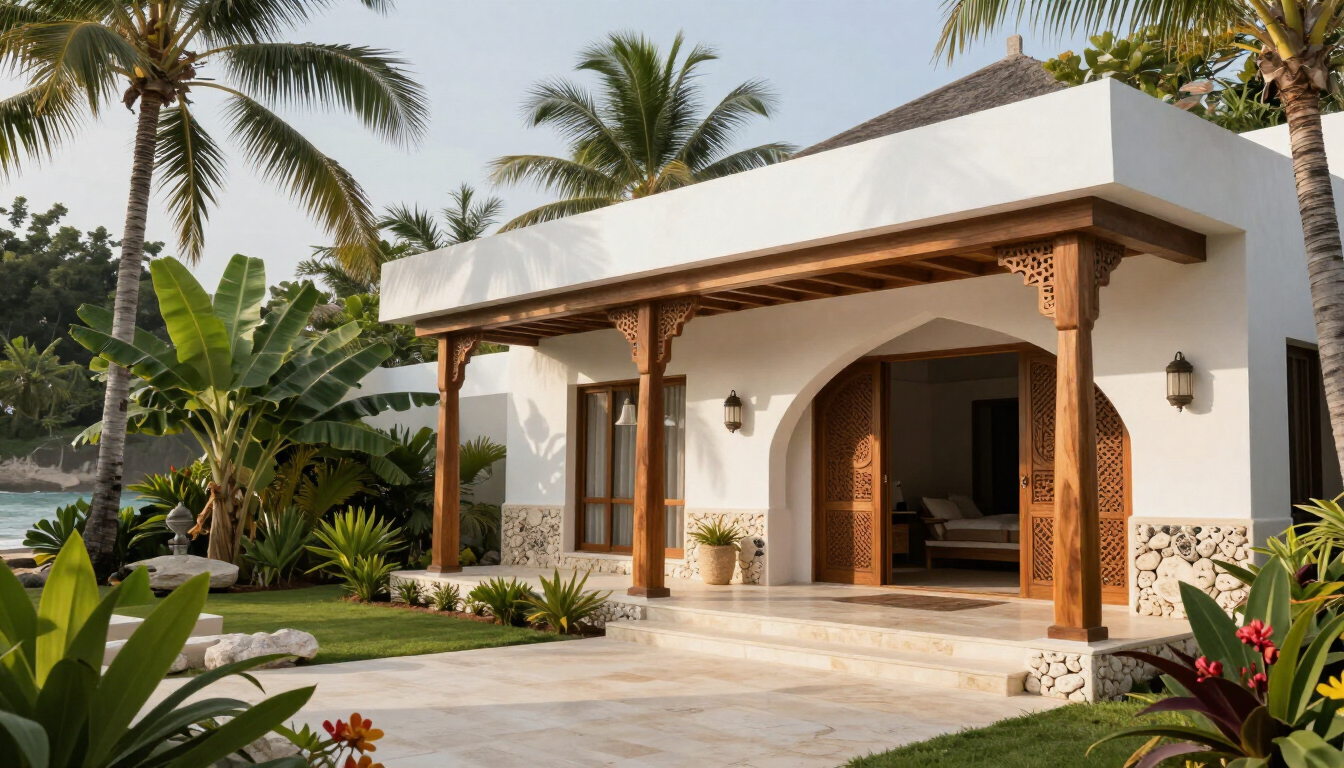
- Ventilation and Airflow: Coastal homes should be designed to harness the monsoon winds. Large windows and open-plan layouts, like those found in traditional Swahili architecture, help keep the interiors cool without excessive reliance on air conditioning.
- Waterproofing: The heavy rains experienced during the monsoon season require robust roofing and high-quality exterior finishes to prevent dampness and mold.
- Foundation Integrity: Building on sandy soil requires specialized engineering. Ask the developer for the structural engineer’s reports to ensure the building is sound.
Investing in a development that prioritizes these technical details will save you thousands of dollars in maintenance costs over the years. Our team at The Breeze Point Watamu understands these challenges intimately, which is why we utilize premium finishes and architectural designs tailored specifically for the Kenyan coast.
Does the property have reliable infrastructure?
Infrastructure is often overlooked during the "honeymoon phase" of property hunting, but it is vital for daily comfort and rental appeal. Many areas along the coast still face challenges with consistent utility supply.
- Water Supply: Does the property have access to a reliable municipal water line? Is there a borehole or a desalination plant on-site as a backup?
- Electricity and Power Backups: Power outages can occur. Check if the development includes a high-capacity backup generator or solar power integration to keep appliances running.
- Waste Management: In many coastal areas, septic tanks are the norm. Ensure the system is modern, well-maintained, and large enough for the building's occupancy.
- Internet Connectivity: For the modern "digital nomad" or the investor looking to list on Airbnb, high-speed fiber internet is a non-negotiable requirement.
Understanding Holiday Rental Potential and ROI
For many, buying coastal property in Kenya is a business decision. The short-term rental market, driven by platforms like Airbnb and Booking.com, has transformed the ROI landscape for coastal owners. However, not every property is a goldmine. You need to analyze the data before committing.
- Occupancy Rates: Research the average occupancy for the specific town. In Watamu, peak seasons (December, August, and Easter) often see 100% occupancy, but what about the shoulder seasons? A property with great amenities like a private pool or gym will always outperform a basic apartment.
- Management Services: Who will manage the property when you are away? Professional property management is essential for maintaining high guest ratings and ensuring the property is kept in top condition.
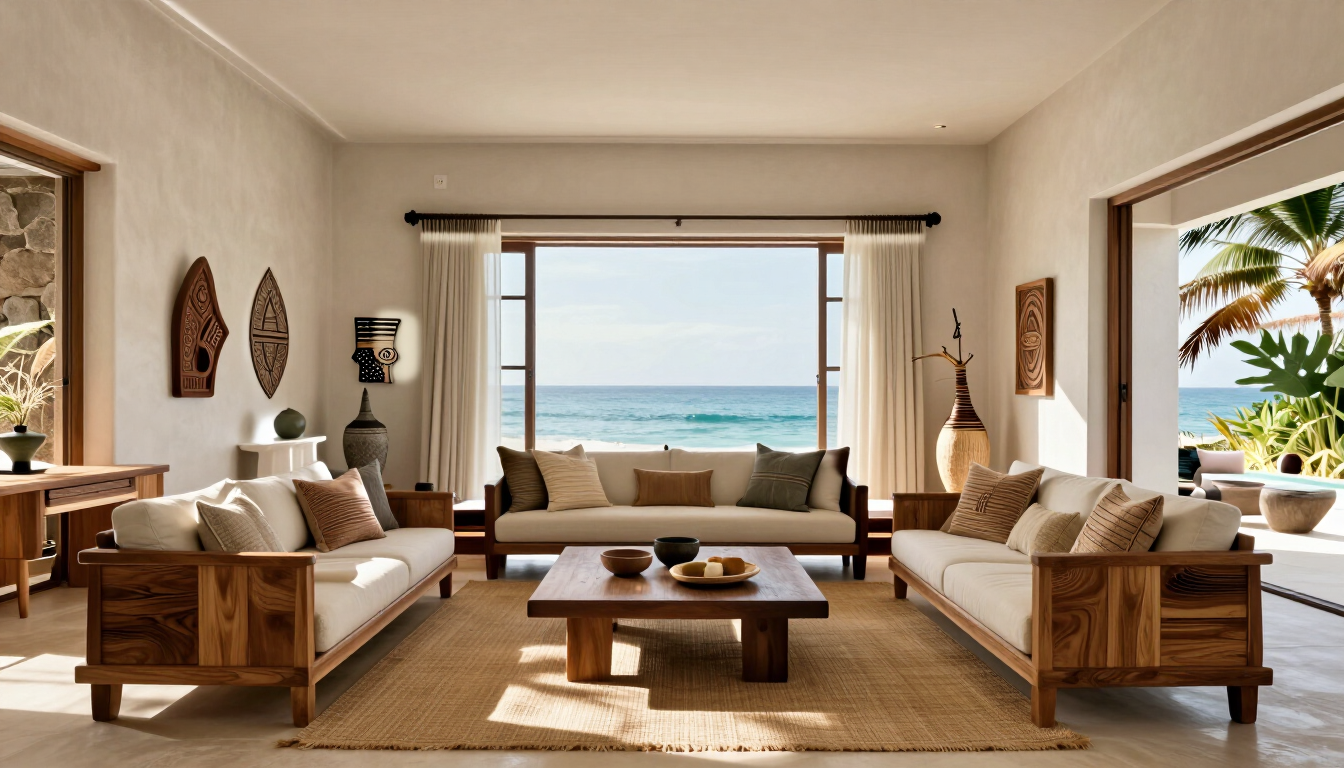
- Unique Selling Points (USPs): In a competitive market, your property needs to stand out. Features like private plunge pools, Swahili-inspired decor, and proximity to famous landmarks like the Gede Ruins can justify higher nightly rates.
We regularly share insights on the latest market trends in our Journal , helping investors stay ahead of the curve. By choosing a property designed for the modern traveler, you ensure a steady stream of passive income that can significantly offset your mortgage or maintenance costs.
What are the legal and tax implications of buying property in Kenya?
The purchase price is just one part of the financial equation. When budgeting for your Kenya real estate investment , you must account for various legal fees and taxes mandated by the government.
- Stamp Duty: This is a tax paid to the government for the transfer of land. For urban properties, it is usually 4% of the property's valuation, while for rural properties, it is 2%.
- Legal Fees: Expect to pay between 1% and 2% of the purchase price to your advocate for handling the conveyance process. The Law Society of Kenya sets minimum scales for these fees.
- Valuation Fees: The government will appoint a valuer to determine the market value of the property for stamp duty purposes. You may also need a private valuation if you are seeking bank financing.
- Capital Gains Tax (CGT): When you eventually sell the property, you will be liable for CGT on the profit made. As of recent updates, this rate is 15% in Kenya.
Understanding these costs upfront prevents last-minute financial stress and ensures that your investment remains profitable from day one. Always request a detailed pro-forma invoice from your lawyer before initiating the transaction.
The Final Checklist for Coastal Property Buyers
To wrap up your search, use this checklist to ensure no stone is left unturned. Buying property is a journey, and taking it one step at a time is the best way to avoid mistakes.
- Visit at Different Times: Visit the property during the day to see the light and at night to check the noise levels and security feel.
- Talk to Neighbors: Current residents are the best source of information regarding water issues, security, or management quality.
- Review the Management Agreement: If you are buying in a gated community or an apartment complex, read the bylaws. Are pets allowed? Can you host loud parties? What are the monthly service charges?
- Confirm the Payment Plan: If buying off-plan, ensure the payment milestones are clearly linked to construction progress to protect your capital.
Summary of Key Takeaways
Buying coastal property in Kenya is a rewarding venture when approached with the right information and a cautious mindset. Success depends on verifying the title deed, choosing a high-growth location like Watamu, and ensuring the building can withstand the coastal environment. By following the steps outlined in this guide, you can secure a beautiful holiday home or a high-yielding investment property that will serve you for decades to come.
- Verify all legal documents through the Land Registry and a qualified lawyer.
- Focus on location-driven value, prioritizing proximity to the ocean and essential amenities.
- Assess construction quality to minimize future maintenance in a saline climate.
- Calculate the total cost of ownership, including stamp duty and management fees, to understand your true ROI.
If you are ready to explore the possibilities of premium coastal living, Contact us today to learn more about our current developments. Whether you are a first-time investor or a seasoned property buyer, we are here to help you find your piece of paradise on the Kenyan coast. Explore our Home page to view our latest luxury apartment offerings in the heart of Watamu.