
5 Ways Indoor-Outdoor Living Works in Watamu
Indoor-outdoor living in Watamu is a design approach that blends open-plan interiors with verandas, terraces, gardens, and pools. It suits Kenya’s coast by improving airflow, extending usable living space, and making the most of warm weather, natural light, tropical scenery, and relaxed coastal routines.
What makes indoor-outdoor living ideal for the Kenyan coast?
Kenya’s coast offers a natural setting for homes that do not feel sealed off from the outdoors. Watamu, in particular, combines warm temperatures, sea breezes, lush vegetation, bright skies, and an easygoing lifestyle. A well-designed residence can respond to these conditions by allowing daily life to move comfortably between inside and outside.
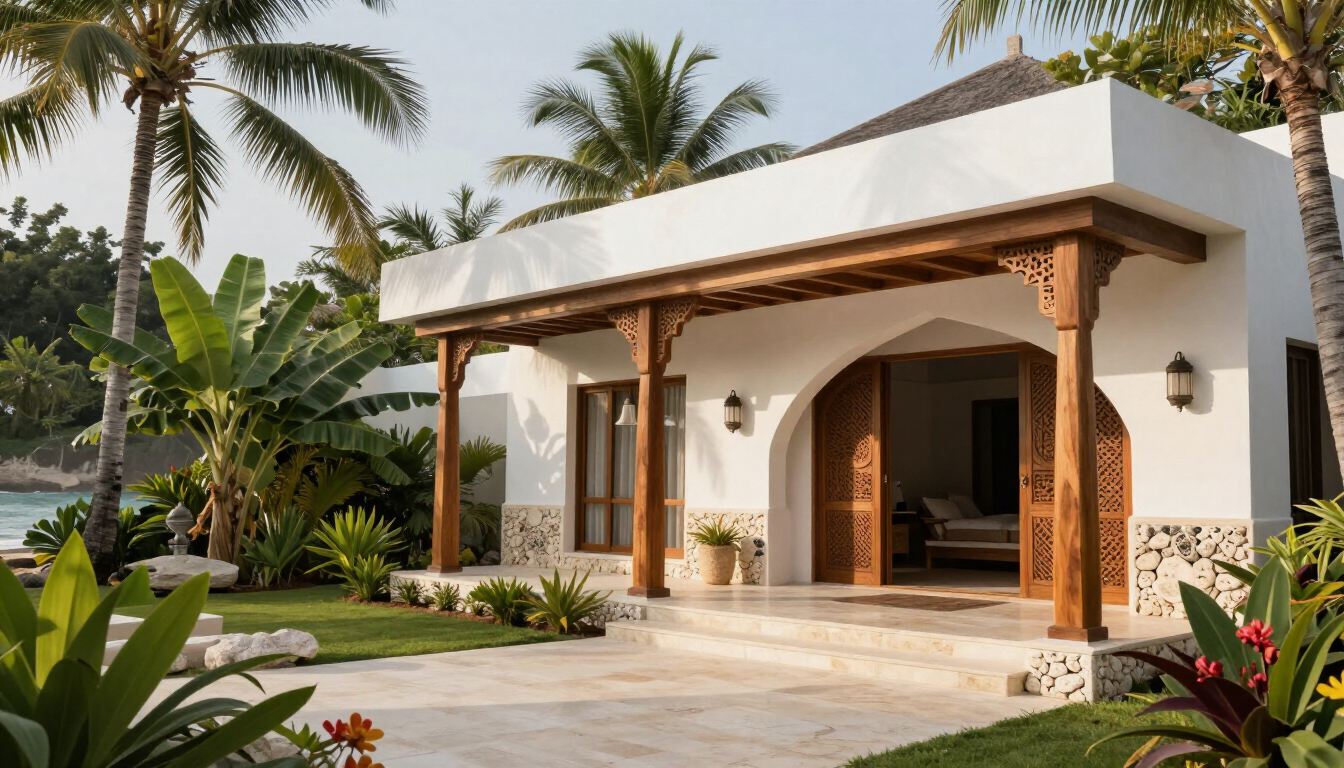
Traditional coastal architecture has long understood this relationship. Swahili and Lamu-inspired homes often use shaded courtyards, deep verandas, screened openings, natural textures, and carefully positioned outdoor areas. These features are not merely decorative. They help create cooler, calmer, and more social spaces in a warm climate.
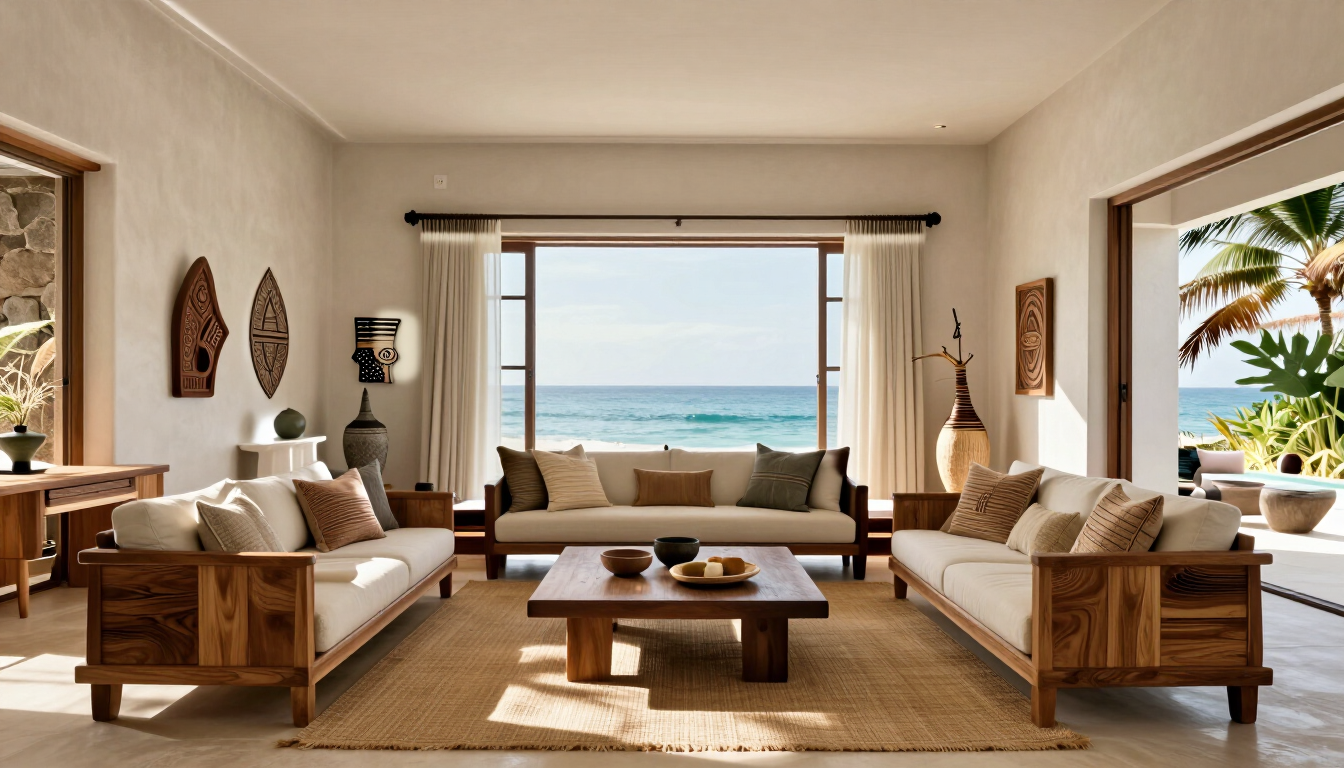
Modern indoor-outdoor living builds on that heritage. Large openings, open-plan kitchens and living rooms, covered terraces, private gardens, and pools create a smooth transition rather than a sharp boundary between the home and its surroundings.
For homeowners, the result is a residence that can support several ways of living:
- Quiet mornings with coffee on a shaded veranda
- Open-air lunches and relaxed evening meals
- Family time around a private or communal pool
- Entertaining guests across connected living areas
- Peaceful indoor retreats when the sun is strongest
At The Breeze Point Watamu Residence, this connection is central to the experience. The development combines modern minimalist interiors with coastal influences, spacious indoor-outdoor areas, private pools, and landscaped surroundings. Learn more about the residence on the Breeze Point Watamu overview page .
How does indoor-outdoor design improve everyday comfort?
The value of indoor-outdoor living is practical as much as visual. When interior rooms open onto shaded exterior areas, residents gain more flexibility in how they use their home throughout the day.
Better airflow
Cross-ventilation can make living areas feel fresher and more comfortable. Openings positioned toward verandas, gardens, or breezier sides of the residence allow air to move naturally through the home. This can reduce the feeling of enclosed, stagnant rooms and support a more pleasant coastal environment.
More usable space
A terrace or veranda effectively becomes an additional room. It may function as a breakfast area, reading corner, lounge, dining setting, or entertaining space. Instead of adding formal rooms that are used occasionally, indoor-outdoor planning creates flexible areas that adapt to daily routines.
Softer transitions between activities
Coastal living often feels less formal. People may move from preparing food to dining outside, from relaxing indoors to swimming, or from working quietly at a table to enjoying the garden. A connected layout makes these transitions easy and natural.
A closer relationship with nature
Views of greenery, water, textured stone, timber, and sky can make a home feel calmer. Even when residents are indoors, the visual connection with outdoor space brings some of Watamu’s landscape into everyday life.
Five design features that make coastal living work
The strongest indoor-outdoor homes are not defined by one large door or a single impressive terrace. They are shaped by several design decisions working together.
1. Open-plan living and dining areas
An open-plan layout establishes the main social centre of the residence. When the living, dining, and kitchen areas share a generous footprint, they can open toward a veranda or pool deck without feeling fragmented.
This is especially useful for holiday homes and investment properties. Guests can prepare meals, dine, relax, and enjoy the view without being separated into small rooms. For permanent residents, it supports informal family routines and easy entertaining.
At The Breeze Point Watamu Residence, spacious two-bedroom apartments are planned around a modern coastal lifestyle. The interiors provide room to relax while maintaining a strong visual relationship with the outdoor areas.
2. Shaded verandas and terraces
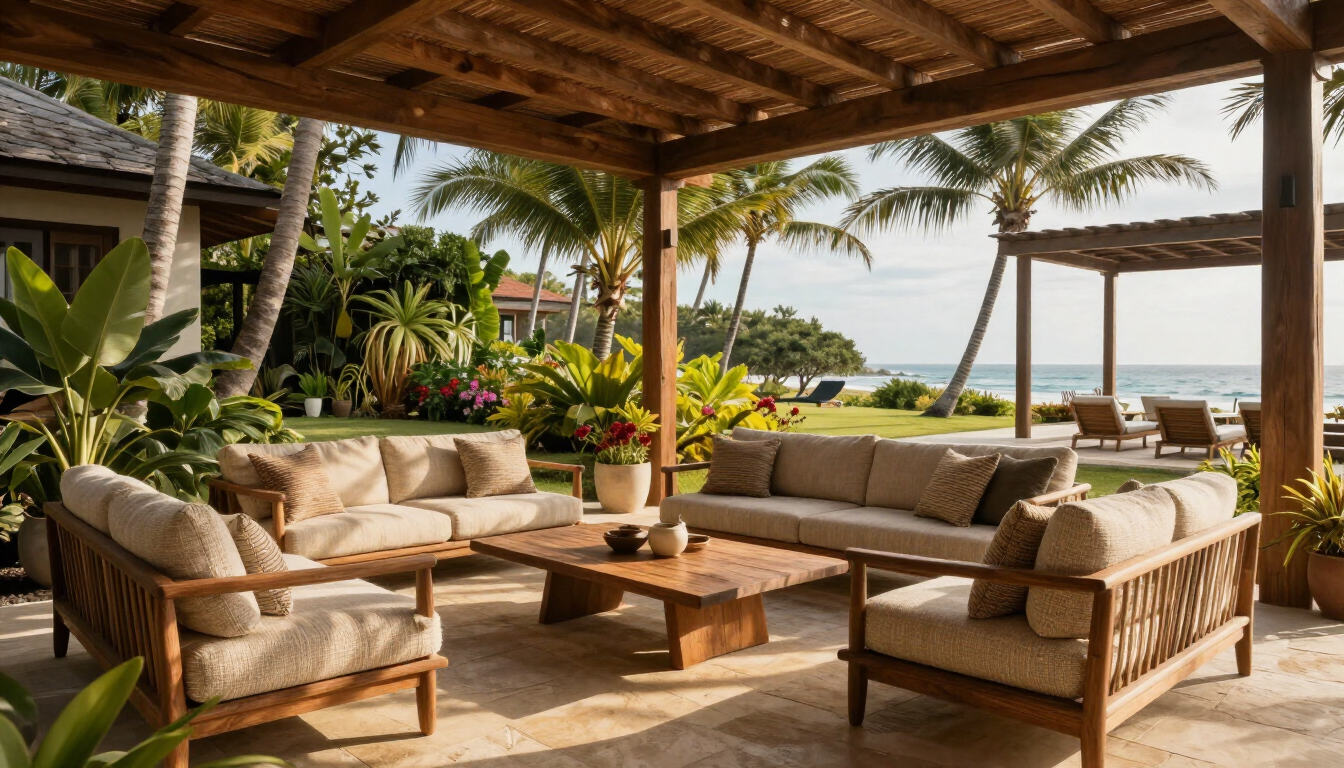
Shade is essential on the Kenyan coast. A covered veranda can make an exterior area more usable during bright afternoons while also protecting furniture, flooring, and finishes from intense sun and occasional rain.
The best verandas feel like an extension of the interior rather than an afterthought. Comfortable seating, dining furniture, ambient lighting, and views toward gardens or pools can turn them into some of the most frequently used areas in the home.
Deep overhangs, pergolas, screens, and planting can add privacy while preserving airflow. They also create changing patterns of light and shadow that give the architecture depth.
3. Private pools and water-focused spaces
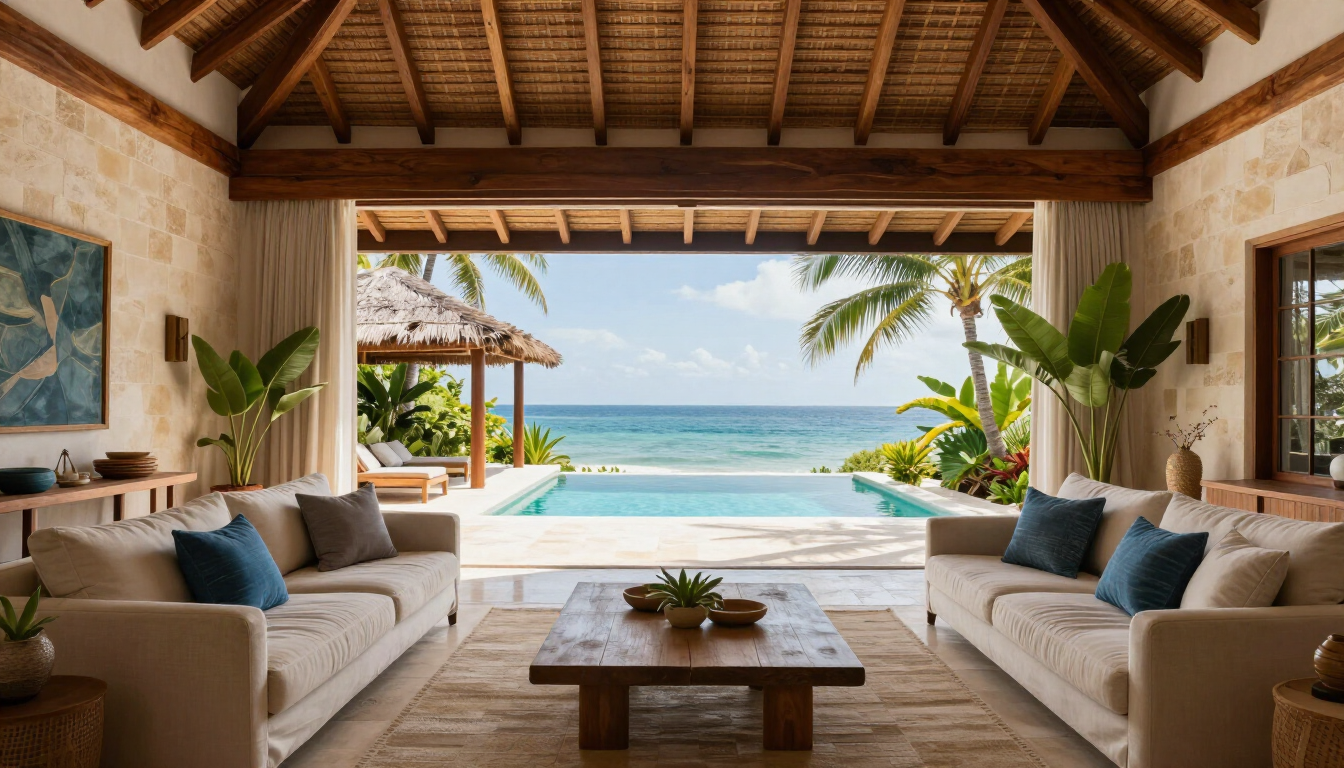
A private pool can become the visual and functional centre of a coastal apartment. It provides a place to cool down, exercise, play, or unwind, while also strengthening the relationship between the residence and the landscape.
Positioning matters. A pool visible from the living room or veranda creates a sense of continuity. The movement of water, reflections, and surrounding greenery can make the interior feel more open, even when the doors are closed.
For holiday-home owners, a private pool may also improve the appeal of the property to guests seeking privacy and a resort-like experience. For investors, it can help distinguish a residence in a competitive coastal rental market.
4. Landscaped gardens and natural materials
Plants soften the edges between architecture and land. Tropical planting can provide shade, privacy, colour, and habitat while creating a more established atmosphere around a new residence.
Natural materials reinforce the same connection. Stone, timber, woven textures, neutral finishes, and earthy colours can echo the coastal environment without making the interior feel themed or overly traditional. A restrained palette usually allows greenery, sunlight, and views to remain the focus.
The Breeze Point design language draws inspiration from Swahili and Lamu architecture while adding a modern minimalist sensibility. This creates a setting that feels connected to Watamu’s identity but remains clean, contemporary, and easy to furnish.
5. Flexible indoor-outdoor furniture
Furniture determines how successfully an outdoor area is used. Pieces should be comfortable, durable, and suited to humidity, salt air, strong sunlight, and occasional rainfall.
Useful choices may include:
- Deep-seated lounge furniture for shaded relaxation
- Compact dining tables for everyday meals
- Easy-to-clean fabrics and removable covers
- Lightweight occasional tables that can be moved as needed
- Low-maintenance materials that suit a coastal climate
Good furniture planning also preserves circulation. The route from the living room to the veranda, pool, and garden should feel intuitive rather than crowded.
How can a residence balance openness and privacy?
A successful coastal home should feel open without feeling exposed. This balance is particularly important for luxury apartments, where residents may want expansive views and fresh air while also valuing security, quiet, and personal space.
Design can create privacy through orientation and layering. A veranda may face a landscaped garden rather than a neighbouring balcony. Planting can screen views without blocking daylight. Partial walls, pergolas, textured screens, and changes in level can define outdoor zones while maintaining a sense of openness.
The internal layout also matters. Bedrooms can be positioned away from the most active entertaining areas, while living spaces face the garden or pool. This allows residents to host guests without disturbing private routines.
At The Breeze Point Watamu Residence, the combination of secure parking, considered communal amenities, private pools, and spacious apartments supports a lifestyle that is social when desired and restful when needed. The residence is designed to offer the ease of a managed development without losing the feeling of a private coastal home.
Is indoor-outdoor living practical for a holiday home?
Yes. Indoor-outdoor planning is particularly practical for a holiday home because it supports relaxed use, shared experiences, and easy entertaining. Visitors can spend more time outside without sacrificing the comfort of a properly finished interior.
A well-planned holiday apartment should accommodate different rhythms. One guest may want to read on the veranda, another may be swimming, while others prepare lunch or rest in the living room. Connected spaces allow everyone to enjoy the property in their own way while remaining part of the same setting.
It can also reduce the need for complicated decoration. When the architecture provides strong views, good shade, natural textures, and attractive landscaping, the home’s character comes from the relationship between its spaces.
For owners who plan to rent their property periodically, these features can support a compelling guest experience. Visitors often look for more than square footage. They want a memorable sense of place, and indoor-outdoor living expresses the best of the Watamu lifestyle.
What should buyers evaluate?
When comparing a coastal residence, buyers should look beyond marketing images and consider how the design will perform in everyday use. Important questions include:
- Does the living area connect naturally to a usable outdoor space?
- Is the terrace shaded during the hottest parts of the day?
- Are gardens and pools positioned for privacy and easy maintenance?
- Can the outdoor areas support dining, lounging, and entertaining?
- Do the finishes and fixtures suit a warm, humid coastal climate?
It is also important to assess the wider development. Shared facilities such as a communal swimming pool, gym, secure parking, backup power, and reliable management can make a significant difference to both ownership and rental potential.
For questions about availability, suitability, or the next stage of your purchase journey, visit the Breeze Point Watamu contact page .
Why does this design matter for property value?
Indoor-outdoor living can contribute to a property’s appeal because it responds to how people want to experience the coast. A residence that makes outdoor space genuinely usable may feel more distinctive than one that simply offers a balcony or attractive view.
For lifestyle buyers, the benefit is daily enjoyment. The home can support slower mornings, family gatherings, private swimming, and evenings shaped by warm air and changing light. These experiences are part of the value of owning in Watamu.
For investors, the same qualities may support demand from holidaymakers and long-term residents. Properties that photograph well, offer a strong sense of place, and provide practical amenities can be easier to position in a premium segment. However, buyers should still evaluate location, build quality, management, operating costs, and realistic rental assumptions before making a decision.
The Breeze Point Watamu Residence benefits from its location on Jacaranda Road, close to Watamu’s beaches, restaurants, and attractions. Its coastal architectural character, private pools, and resort-style amenities are designed to support both personal use and investment-led ownership.
A coastal lifestyle shaped around connection
Indoor-outdoor living in Watamu works because it responds to the climate, culture, and pace of the Kenyan coast. It allows rooms to breathe, gives outdoor spaces a genuine purpose, and creates a stronger relationship between architecture and landscape.
The approach is especially valuable when it combines open-plan interiors, shaded verandas, private pools, tropical planting, durable finishes, and thoughtful privacy. Together, these elements create a home that feels spacious without being wasteful and luxurious without losing its connection to place.
At The Breeze Point Watamu Residence, this philosophy appears in the relationship between modern apartments and carefully considered outdoor areas. If you are comparing a holiday home, permanent residence, or coastal investment, evaluate how naturally the property supports the way you want to live.
Key takeaways
- Indoor-outdoor living suits Watamu’s warm climate, natural light, and coastal lifestyle.
- Verandas, terraces, gardens, and pools should function as usable extensions of the interior.
- Shade, airflow, privacy, durable materials, and flexible furniture are essential considerations.
- The Breeze Point Watamu Residence combines modern open-plan apartments with private pools and coastal-inspired design.
- Buyers should compare both the home’s lifestyle qualities and the development’s long-term practical value.