
How to Use a Watamu Travel Guide (2026)
Watamu is a relaxed Kenyan coastal destination known for white-sand beaches, clear Indian Ocean waters, marine wildlife, Swahili culture, and excellent seafood. This Watamu travel guide helps you plan the best time to visit, where to stay, what to do, how to get around, and how to enjoy the area responsibly.

Why should you visit Watamu?
Watamu combines the easy pace of a beach escape with a remarkable range of experiences. You can spend the morning swimming in calm water, the afternoon exploring a marine ecosystem, and the evening enjoying fresh seafood or a quiet sunset.
The town is a strong choice for:
- First-time visitors to Kenya’s coast
- Couples seeking a peaceful luxury holiday
- Families looking for beach activities and spacious accommodation
- Adventure travellers interested in marine life and water sports
- Travellers considering a longer coastal stay or holiday home
Watamu is smaller and more relaxed than many major beach destinations. Its appeal comes from the balance between natural beauty, local character, comfortable accommodation, and access to nearby attractions. It is also conveniently positioned for exploring Malindi, Kilifi, Gede, and other parts of the Kenyan coast.
When is the best time to visit Watamu?
The best time to visit Watamu is generally during the drier months, from June to October and from December to March. These periods usually offer sunny days, pleasant beach conditions, and reliable opportunities for boat trips, snorkelling, wildlife viewing, and outdoor dining.
The main seasons are:
- June to October: Cooler, dry, and comfortable for sightseeing and beach activities.
- November: A short rainy period that can bring lush scenery and fewer visitors.
- December to March: Warm, sunny, and popular for holidays and water activities.
- April and May: The long rains may bring heavier showers, although travel can be quieter and accommodation may offer better value.
Weather patterns can change, so check current conditions before booking excursions. Even during rainy periods, showers may be brief, leaving plenty of time for exploring.
Which are the best beaches in Watamu?
Watamu’s beaches are among the main reasons people return. The coastline includes broad sandy stretches, sheltered bays, coral reefs, tidal pools, and viewpoints where the changing light creates beautiful photographs.
Watamu Beach
Watamu Beach is a convenient starting point for swimming, sunbathing, beach walks, and water sports. Its calm, inviting appearance makes it especially popular with families and first-time visitors.
Turtle Bay
Turtle Bay is known for its attractive shoreline and connection to Watamu’s marine environment. Depending on the season and conditions, visitors may see seabirds, reef life, or signs of turtle activity.
Blue Lagoon
Blue Lagoon offers calm, vivid water and a scenic setting for boat trips and photography. It is an excellent place to appreciate the colours of the coast, particularly in the morning.
Short beach walks and tidal pools
At low tide, the shoreline reveals rock pools and shallow areas where small marine creatures can be observed. Walk carefully, avoid touching wildlife, and follow local guidance about tides and reef safety.

What are the best things to do in Watamu?
Watamu rewards travellers who mix relaxation with exploration. Plan a few anchor activities, then leave time for unplanned beach walks, local meals, and slow mornings.
Explore Watamu Marine National Park
A marine park visit is one of the area’s essential experiences. Clear waters, coral gardens, colourful fish, and seasonal marine wildlife make the park appealing to snorkellers, divers, and boat passengers.
Trips may include:
- Snorkelling above coral reefs
- Glass-bottom boat excursions
- Scuba diving with qualified operators
- Dolphin and seasonal whale-watching opportunities
- Sandbank picnics, subject to tides and conditions
Use a registered operator, listen to safety briefings, and avoid standing on or touching coral. Reef-safe habits protect the ecosystem that makes these experiences possible.
Should you visit Mida Creek?
Yes. Mida Creek is a peaceful tidal ecosystem with mangroves, birdlife, winding waterways, and beautiful sunset views. Guided canoe trips and nature walks offer a quieter alternative to the open ocean.
A local guide can explain the importance of mangroves, identify birds, and help visitors understand how communities depend on the creek. Late afternoon is particularly appealing when the water reflects the changing sky.
What is there to see at Gede Ruins?
Gede Ruins is a historic Swahili settlement surrounded by forest near Watamu. The remains include walls, mosques, houses, and other structures that provide insight into the region’s past.
Allow time to walk slowly, read the site information, and appreciate the relationship between the ruins and surrounding vegetation. Dress comfortably, carry water, and consider hiring a guide for additional historical context.
Can you see turtles in Watamu?
Watamu is associated with turtle conservation, and visitors may learn about nesting beaches, hatchlings, and marine protection through local conservation organisations. Sightings are never guaranteed, and responsible behaviour is essential.
Keep a respectful distance, avoid bright lights at night, never handle hatchlings, and follow instructions from conservation staff. A conservation-focused experience is more valuable than chasing a close photograph.
Try water sports and coastal adventures
Depending on the season and weather, visitors can try kayaking, paddleboarding, kiteboarding, fishing, diving, and guided boat trips. Beginners should choose reputable instructors and confirm that equipment, supervision, and safety procedures are included.
Where should you stay in Watamu?
Watamu offers accommodation for different budgets and travel styles, including boutique hotels, guesthouses, villas, serviced apartments, and private residences. The right choice depends on whether you prioritise beachfront access, privacy, family space, hotel services, or a longer-term base.
Consider these questions before booking:
- How close is the property to the beach and restaurants?
- Is transport available for evening plans or excursions?
- Does the room have air conditioning, reliable water, and backup power?
- Are there secure parking and appropriate security measures?
- Is a kitchen useful for families or extended stays?
- Does the property suit children, couples, or remote work?
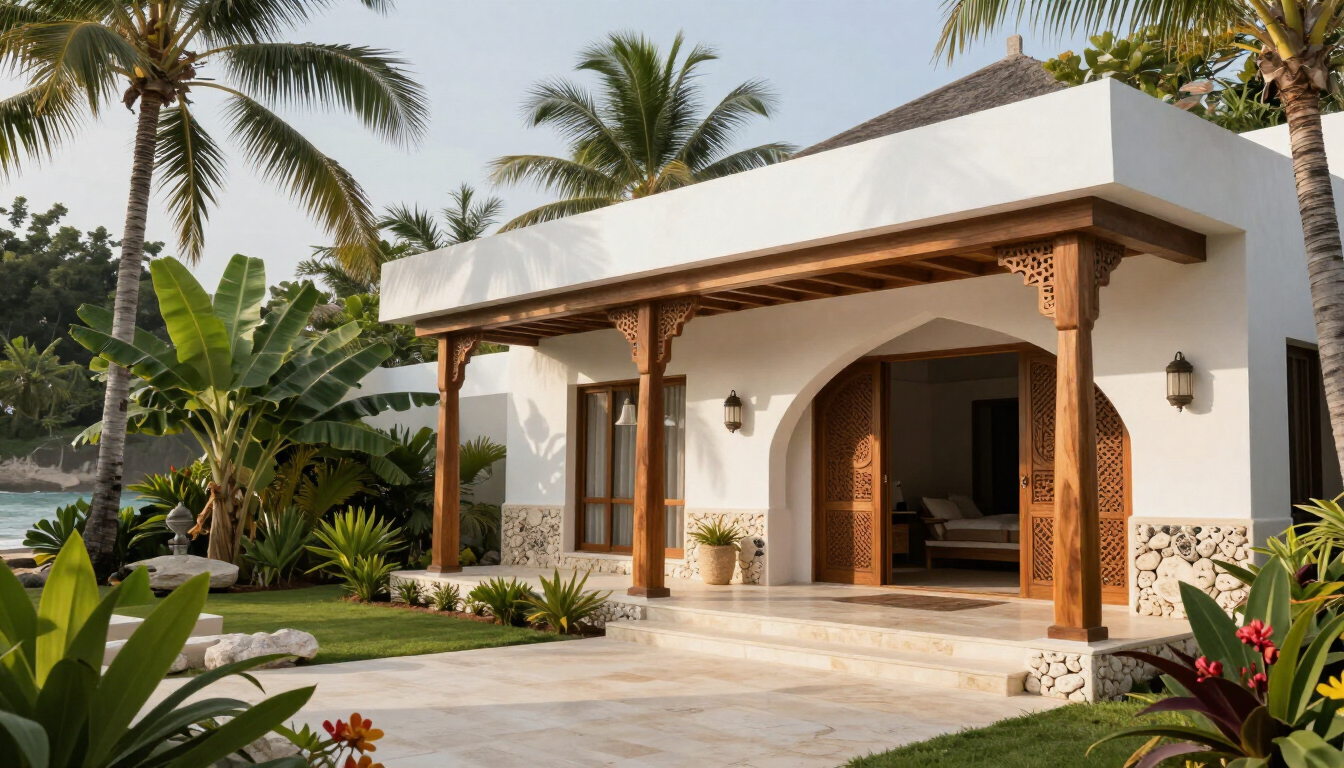
For travellers seeking a premium home-style stay, The Breeze Point Watamu Residence offers a coastal residential setting inspired by Swahili and Lamu architecture. Its two-bedroom apartments, private pools, indoor-outdoor living areas, gym, communal pool, secure parking, and backup power are designed for comfortable holidays and longer stays.
Accommodation choices can shape your entire trip. A central location makes spontaneous dinners and beach visits easier, while a quieter residence may provide more privacy and space.

What should you eat and drink in Watamu?
Watamu’s food scene reflects the coast’s cultural mix. Expect seafood, Swahili spices, coconut-based sauces, grilled dishes, tropical fruit, and both casual and refined dining.
Look for:
- Freshly grilled fish and prawns
- Swahili biryani and spiced rice
- Coconut curries
- Chapati and local vegetable dishes
- Fresh mango, pineapple, passion fruit, and coconut
- Kenyan coffee, fresh juices, and chilled soft drinks
Ask your accommodation team or local residents for current restaurant recommendations. Menus and opening hours can change seasonally, and the freshest dining experiences may be found in both established restaurants and small local eateries.
When ordering seafood, choose businesses that follow responsible sourcing practices. If you have allergies or dietary requirements, explain them clearly before ordering.
How do you get to and around Watamu?
Most visitors reach Watamu via Malindi, which has an airport with connections from Nairobi and other destinations depending on the schedule. Travellers may also arrive by road from Mombasa, Kilifi, or Nairobi.
For local transport, options can include:
- Pre-arranged airport transfers
- Taxis and app-based transport where available
- Tuk-tuks for short journeys
- Rental cars for independent exploration
- Guided transfers for parks, ruins, and marine excursions
Agree on fares before using informal transport, particularly for longer trips. If you plan to drive, confirm the condition of roads, parking arrangements, insurance, and whether night driving is advisable.
What should you pack for a Watamu holiday?
Pack for heat, sun, humidity, and occasional rain. Lightweight clothing is practical, but modest clothing is respectful when visiting villages, religious sites, or local communities.
A useful packing list includes:
- High-SPF sunscreen and a wide-brimmed hat
- Swimwear, sandals, and light breathable clothing
- A reusable water bottle
- Insect repellent and personal medication
- A dry bag for boat trips and beach days
- A light rain layer during wetter months
- Reef-conscious water shoes if recommended locally
Bring a small amount of Kenyan currency for smaller purchases, tips, transport, and local markets. Cards may be accepted at hotels and larger restaurants, but connectivity or payment availability can vary.
How can you travel responsibly in Watamu?
Responsible travel helps protect Watamu’s beaches, reefs, wildlife, and communities. Small decisions have a meaningful cumulative effect.
Follow these principles:
- Carry reusable bottles and bags where possible.
- Do not touch coral, feed wildlife, or remove shells.
- Use water and electricity thoughtfully.
- Choose local guides, restaurants, craftspeople, and conservation projects.
- Ask permission before photographing people.
Respect local customs, keep beaches clean, and follow guidance from marine park staff. Travellers who slow down and engage thoughtfully often experience a more authentic and rewarding side of the destination.
Is Watamu suitable for a longer stay?
Watamu can work well for extended holidays, remote-work breaks, retirement exploration, and holiday-home visits. The appeal is its combination of coastal scenery, restaurants, outdoor activities, community life, and access to larger towns when needed.
A longer stay allows you to explore beyond the headline attractions. You can revisit favourite beaches at different tides, take day trips to Malindi or Kilifi, learn more about local culture, and create a practical routine around the climate.
If you are comparing coastal property options, explore The Breeze Point Watamu Residence and contact the team through the Contact page to learn more about the development and available opportunities.
What are the most important Watamu travel tips?
Plan marine activities around tides and weather, not only your preferred calendar date. Confirm excursion details, departure points, included equipment, and cancellation policies before paying.
Keep important documents secure, use reputable transport, and share your itinerary with someone you trust. Travellers should also check current entry requirements, health guidance, and travel advisories before departure.
Watamu is best enjoyed at an unhurried pace. Build a flexible itinerary with one major activity per day, then leave room for beach time, meals, and rest.
Final Watamu travel checklist
Watamu is an excellent destination when you want a Kenyan coastal holiday with beautiful beaches, marine adventures, history, nature, and a relaxed local atmosphere. The best itinerary combines a few planned experiences—such as Watamu Marine National Park, Mida Creek, and Gede Ruins—with time to enjoy the shoreline at your own pace.
Before travelling, choose the right season, book suitable accommodation, arrange reliable transfers, pack for sun and rain, and select responsible tour operators. If you are considering an extended stay, compare privacy, location, amenities, and practical support before deciding. Start with the experiences that matter most to you, then let Watamu’s coastal rhythm shape the rest of your trip.